
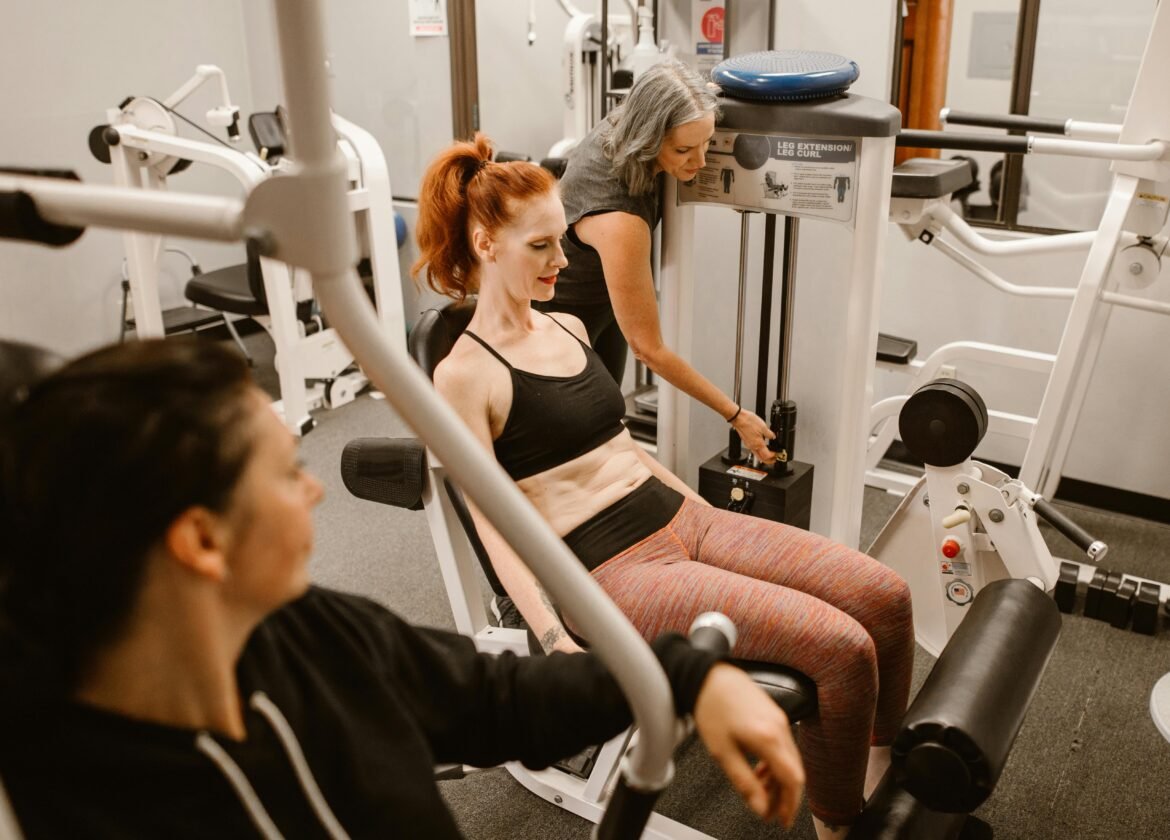
La périménopause et la ménopause ne sont pas des maladies, mais des transitions biologiques majeures. Si l’alimentation joue un rôle clé, le mouvement est le véritable « médicament » naturel pour traverser cette période avec énergie. Pourquoi est-ce si vital, et surtout, comment s’y mettre concrètement ? On fait le point.
Pourquoi bouger est-il devenu non-négociable ?
Avec la chute des œstrogènes, le corps change de mode de fonctionnement. L’activité physique ne sert plus seulement à « brûler des calories », elle devient un outil de régulation systémique.
1. Protéger son capital osseux
Dès le début de la ménopause, la densité osseuse peut diminuer de 2 % à 3 % par an. C’est le risque d’ostéoporose. Le sport à impact et la résistance stimulent les ostéoblastes (les cellules qui fabriquent l’os).
2. Relancer un métabolisme qui ralentit
Les études montrent qu’à la ménopause, la répartition des graisses change : elle migre vers la ceinture abdominale (graisse viscérale). Le muscle étant un tissu métaboliquement actif, plus vous en avez, plus vous brûlez d’énergie, même au repos.
3. Stabiliser l’humeur et le sommeil
L’exercice libère des endorphines et de la sérotonine, les hormones du bien-être, souvent malmenées par les fluctuations hormonales. Une étude publiée dans le journal Menopause indique que les femmes actives signalent une réduction de 40 % de la sévérité de leurs bouffées de chaleur.
Le “Cocktail Gagnant” : Quel sport choisir ?
Inutile de courir un marathon. L’efficacité repose sur la variété. Voici les trois piliers recommandés par les experts de santé :
Le Renforcement Musculaire (Indispensable)
C’est la priorité absolue. Utilisez des poids, des bandes élastiques ou le poids du corps.
- Fréquence : 2 à 3 fois par semaine.
- Bénéfice : Maintien de la masse musculaire (prévention de la sarcopénie).
Le Cardio “Zone 2” et le HIIT
Le cardio modéré (marche rapide, natation, vélo) améliore la santé cardiaque, tandis que le HIIT (entraînement fractionné de haute intensité) est particulièrement efficace pour brûler la graisse abdominale en peu de temps.
- Fréquence : 150 minutes d’intensité modérée ou 75 minutes d’intensité soutenue par semaine (selon l’OMS).
La Flexibilité et l’Équilibre
Le yoga ou le Pilates permettent de réduire le cortisol (hormone du stress) et de maintenir une bonne posture, limitant ainsi les douleurs articulaires fréquentes à cette période.
Ce que disent les chiffres (et la science)
- -50 % : C’est la réduction du risque de maladies cardiovasculaires chez les femmes ménopausées pratiquant une activité physique régulière (Étude Women’s Health Initiative).
- La force avant tout : Une étude de 2017 prouve que même 20 minutes de musculation deux fois par semaine améliorent significativement la densité minérale osseuse chez les femmes post-ménopausées.
- Santé mentale : Les femmes pratiquant le yoga rapportent une diminution de 66 % des symptômes psychologiques liés à la ménopause (anxiété, irritabilité).
3 conseils pour s’y mettre (et s’y tenir)
- Commencez petit : Si vous n’avez pas bougé depuis longtemps, 10 minutes par jour valent mieux qu’une heure une fois par mois.
- Écoutez votre énergie : Certains jours, vos hormones vous fatigueront. Adaptez-vous : passez d’une séance de fitness intense à une marche en forêt ou un étirement doux.
- Priorisez les protéines : Pour que vos muscles profitent de l’exercice, assurez-vous d’avoir un apport suffisant en protéines après votre séance.
L’info à retenir : Le meilleur sport pour la ménopause est celui que vous avez plaisir à pratiquer. La régularité est votre meilleure alliée pour transformer cette étape de vie en un nouveau départ.