
Vous étiez d’un calme olympien et, soudain, une chaussette qui traîne vous donne envie de hurler ? Bienvenue en périménopause. Ce n’est pas vous qui perdez la tête, c’est votre chimie interne qui fait des siennes. Entre les baisses d’estrogènes et les pics de cortisol, votre cerveau essaie simplement de garder l’équilibre. Respirez, on vous explique pourquoi votre humeur joue au yoyo et surtout, comment reprendre les commandes.
1. Pourquoi vos hormones dictent votre météo intérieure
Le responsable de ce chaos ? Le déclin progressif des estrogènes. Ces hormones ne servent pas qu’à la reproduction ; elles sont les meilleures amies de la sérotonine, la fameuse hormone du bonheur.
- La chute de la sérotonine : Moins d’estrogènes signifie souvent moins de sérotonine. Résultat : une vulnérabilité accrue à la déprime et à l’anxiété.
- Le pic de cortisol : En cette période, le corps devient plus sensible au stress. Le moindre imprévu est perçu comme une catastrophe par votre système nerveux.
- Le manque de progestérone : Cette hormone est normalement notre “calmant” naturel. Quand elle diminue, l’irritabilité et les insomnies pointent le bout de leur nez.
Comprendre que ce processus est biologique et non psychologique est la première étape pour déculpabiliser. Vous n’êtes pas “difficile”, vous êtes en transition.
2. L’assiette « Zen » : La nutrition au secours de votre moral
Ce que vous mangez a un impact direct sur la production de vos neurotransmetteurs. En périménopause, votre fourchette est votre meilleure alliée pour stabiliser votre humeur.
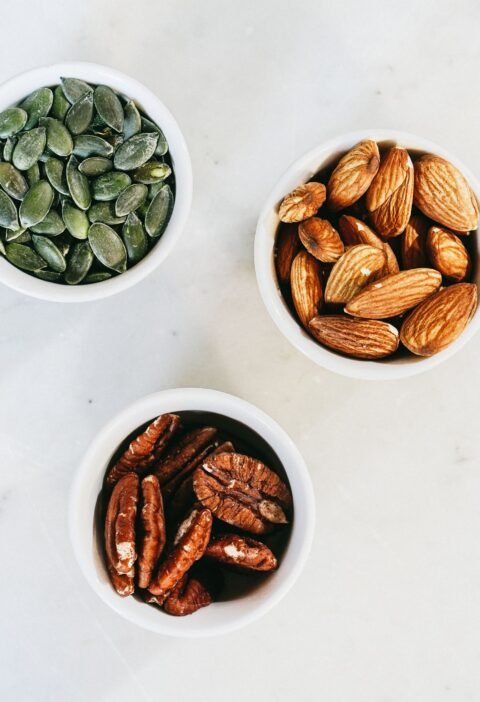
- Le magnésium, votre bouclier anti-stress : On le trouve dans le chocolat noir (oui !), les amandes et les épinards. Il aide à relâcher les tensions musculaires et nerveuses.
- Les Oméga-3 pour le cerveau : Les poissons gras comme le saumon ou les sardines sont essentiels. Ils boostent la fluidité des membranes de vos neurones, facilitant la circulation des messages de bien-être.
- L’indice glycémique sous contrôle : Évitez les pics de sucre. Une chute de glycémie après un beignet, c’est l’assurance d’une crise d’irritabilité dans l’heure qui suit. Privilégiez les glucides complexes (quinoa, patate douce).
En nourrissant votre cerveau correctement, vous lui donnez les outils pour fabriquer de la joie, même quand les hormones font défaut.
3. Petits rituels et grands changements pour retrouver le sourire
Au-delà de l’assiette, votre mode de vie doit s’adapter à cette nouvelle sensibilité. L’idée n’est pas d’en faire plus, mais de faire mieux pour votre système nerveux.
- Le pouvoir de la marche : Pas besoin d’un marathon. 20 minutes de marche à la lumière du jour suffisent à réguler votre rythme circadien et à libérer des endorphines.
- Le sommeil est sacré : Une mauvaise nuit multiplie par dix l’irritabilité du lendemain. Créez une routine de déconnexion totale (sans écran) une heure avant le coucher.
- Apprendre à dire non : La périménopause est souvent le moment où l’on réalise qu’on ne peut plus tout porter. Allégez votre charge mentale pour laisser de la place à votre sérénité.
En prenant soin de votre corps de manière globale, vous offrez à votre esprit un terrain beaucoup plus stable pour traverser cette période.
Conclusion
La périménopause n’est pas une fatalité, c’est une mutation. Vos sautes d’humeur sont des signaux que votre corps envoie pour vous dire de ralentir et de prendre soin de vous. En ajustant votre nutrition et en écoutant vos besoins, vous pouvez retrouver une météo intérieure bien plus clémente.
Prête à apaiser votre esprit par l’assiette ? Découvrez nos recettes “Spécial Sérénité” riches en magnésium et en bons gras dans notre section nutrition pour cuisiner votre chemin vers le calme !
FAQ : Vos questions sur l’humeur et les hormones
Est-ce que je vais rester comme ça pour toujours ? Absolument pas. Une fois que le corps a trouvé son nouvel équilibre hormonal après la ménopause, l’humeur se stabilise naturellement. C’est une phase de transition, pas un état permanent.
Les compléments alimentaires peuvent-ils aider ? Oui, certaines plantes comme l’actée à grappes noires ou le safran ont montré des résultats intéressants sur l’irritabilité. Parlez-en toujours à votre médecin avant de commencer une cure.
Pourquoi suis-je plus en colère que triste ? La baisse de la progestérone réduit votre tolérance au stress. Ce qui passait autrefois pour un petit détail devient insupportable. C’est une réaction chimique de votre cerveau qui est en mode “alerte”.
Le sport intense aide-t-il à réguler l’humeur ? Attention : un sport trop intense peut augmenter le cortisol (hormone du stress). Privilégiez le yoga, le Pilates ou la marche rapide, qui calment le système nerveux tout en libérant des endorphines.