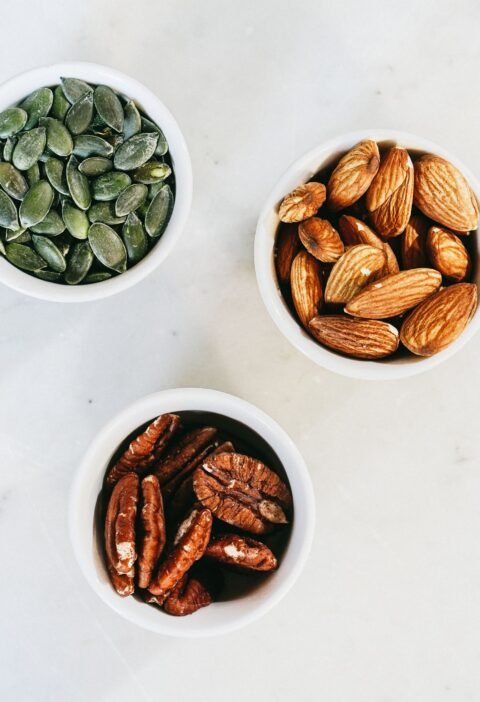

On parle souvent des bouffées de chaleur ou des sautes d’humeur, mais on oublie parfois l’invité principal : votre cœur. Pendant la périménopause, les hormones jouent aux montagnes russes, et cela impacte directement votre santé cardiovasculaire. La bonne nouvelle ? Votre assiette et vos baskets sont vos meilleures alliées. Pas besoin de devenir une athlète olympique, quelques ajustements suffisent pour garder un cœur de lionne. On vous explique comment naviguer cette transition en toute sérénité.
1. Le rôle des œstrogènes : vos gardes du corps s’en vont
Jusqu’ici, vos œstrogènes étaient un peu comme des anges gardiens pour vos artères. Ils maintenaient vos vaisseaux souples et votre “bon” cholestérol (HDL) à un niveau correct.
La chute hormonale et ses effets
Quand les niveaux d’œstrogènes baissent, les parois de vos artères peuvent devenir un peu plus rigides. C’est à ce moment-là que la tension artérielle peut décider de grimper sans prévenir. C’est un changement invisible, mais crucial à surveiller.
Le stockage des graisses change
Vous avez remarqué que votre silhouette évolue ? En périménopause, le gras a tendance à s’installer autour du ventre plutôt que sur les hanches. Ce “gras viscéral” est un petit coquin : il est métaboliquement actif et peut augmenter le risque d’inflammation pour votre cœur.
2. L’assiette “Cœur-Friendly” : on mange quoi ?
Manger pour son cœur, ce n’est pas manger triste. C’est surtout choisir des aliments qui calment l’inflammation et boostent votre énergie.
Les bonnes graisses à la rescousse
Oubliez la peur du gras ! Misez sur les Oméga-3. On les trouve dans les poissons gras (saumon, sardines), les noix et les graines de lin. Ils sont parfaits pour fluidifier la circulation et protéger vos artères.
Fibres et antioxydants : le duo gagnant
Les fibres ne servent pas qu’à la digestion. Elles aident à “balayer” le cholestérol de votre système. Remplissez votre assiette de légumes colorés, de légumineuses (lentilles, pois chiches) et de céréales complètes. Les baies (myrtilles, framboises) sont aussi des bombes d’antioxydants qui protègent vos cellules cardiaques.
💡 Mon panier MyMenoChef pour le cœur : que manger ?
- Au petit-déjeuner : Un bol de flocons d’avoine (riches en béta-glucane pour réduire le cholestérol) saupoudré de graines de lin moulues et d’une poignée de myrtilles fraîches.
- Au déjeuner : Une belle salade de lentilles ou de pois chiches avec des légumes croquants, le tout arrosé d’une cuillère à soupe d’huile d’olive extra-vierge. Les protéines végétales sont d’excellentes alliées cardiaques !
- Au dîner : Un pavé de saumon grillé (ou du tofu ferme) accompagné de brocolis vapeur et de quinoa. Léger, rassasiant et ultra-protecteur.
3. Bouger, dormir, respirer : les autres solutions indispensables
Le cœur est un muscle. Et comme tous les muscles, il a besoin d’un peu d’entraînement pour rester tonique.
L’activité physique régulière
Pas besoin de courir un marathon. Mais visez au moins 150 minutes d’activité modérée par semaine (comme la marche rapide, le vélo ou la natation). Le sport aide à maintenir un poids stable et renforce le muscle cardiaque. Une marche rapide de 30 minutes, un peu de yoga ou même danser dans votre cuisine fait un bien fou. Le renforcement musculaire (soulever quelques poids ou faire du Pilates) est aussi essentiel pour stabiliser votre métabolisme et protéger votre cœur indirectement.
Apprivoiser le stress
Le cortisol, l’hormone du stress, est l’ennemi juré du cœur en périménopause. Le stress chronique fait grimper la tension. Trouvez votre petit rituel : Le yoga, la cohérence cardiaque ou de simples balades en nature font baisser la pression. La méditation, la lecture ou simplement une pause café (en déca !) avec une amie et votre cœur vous dira merci.
Un sommeil de qualité
Le manque de sommeil augmente le stress et la tension artérielle. Si vos nuits sont agitées, parlez-en !
Les solutions médicales
Dans certains cas, et après un bilan cardiovasculaire complet, le traitement hormonal de la ménopause (THM) peut être discuté avec votre médecin. Initié tôt, il peut avoir un effet protecteur, mais chaque cas est unique.
En résumé : Votre cœur, votre priorité
La périménopause est le moment idéal pour faire un “reset”. En comprenant l’impact de vos hormones et en ajustant vos habitudes alimentaires, vous ne faites pas que protéger votre cœur : vous gagnez en vitalité pour les décennies à venir. Soyez bienveillante avec vous-même, un petit changement à la fois suffit.
Prendre soin de son cœur en périménopause, ce n’est pas s’imposer des privations, c’est choisir de se faire du bien. En adoptant une alimentation colorée, riche en bons nutriments et en bougeant avec plaisir, vous posez les bases d’une deuxième partie de vie pleine d’énergie.
Prête à chouchouter vos artères dès le prochain repas ? Téléchargez notre application MyMenoChef pour découvrir des dizaines de recettes gourmandes, simples et spécialement conçues par nos experts pour booster votre santé cardiaque !
FAQ : Vos questions sur le cœur et la périménopause
Est-ce que les palpitations sont normales ? Oui, beaucoup de femmes ressentent des palpitations ou des “ratés” cardiaques à cause des fluctuations hormonales. C’est souvent bénin, mais si cela s’accompagne de douleurs ou d’essoufflement, consultez votre médecin pour être sereine.
Le sel est-il vraiment mon ennemi ? En périménopause, on devient souvent plus sensible au sel, ce qui favorise la rétention d’eau et l’hypertension. Essayez de remplacer le sel par des épices et des herbes fraîches pour donner du peps à vos plats.
Le vin rouge est-il bon pour le cœur ? L’idée du “petit verre bon pour le cœur” est un peu dépassée. En périménopause, l’alcool peut aggraver les bouffées de chaleur et perturber le sommeil. Mieux vaut privilégier le raisin noir entier pour les polyphénols sans les inconvénients de l’éthanol !
Quels examens demander à mon médecin ? Une fois par an, demandez un bilan lipidique complet (cholestérol), un contrôle de la glycémie et une mesure de votre tension artérielle. C’est votre carnet de santé de super-héroïne !
Est-ce que le soja est bon pour le cœur pendant la ménopause ? Oui ! Les aliments à base de soja (comme le tofu ou l’edamame) contiennent des isoflavones. Des études suggèrent qu’ils peuvent aider à réduire légèrement le cholestérol LDL et à améliorer la souplesse des artères. C’est une excellente alternative aux protéines animales.
Quel est le pire ennemi du cœur à cette période ? Le combo “sucre raffiné + graisses saturées + sédentarité”. Les produits ultra-transformés (gâteaux industriels, plats préparés très salés) accélèrent le vieillissement des artères. Privilégiez toujours le fait-maison avec des ingrédients bruts !